Gov. Gavin Newsom has declared a state of emergency as California prepares for a potentially historic El Niño season that could bring heavy rain, flooding, strong winds, mountain snow, debris flows and dangerous coastal conditions.
Forecasters say the developing El Niño is already unusually strong and could become one of the strongest on record.
The emergency proclamation directs state agencies to prepare equipment, protect infrastructure and help local communities respond to severe winter weather.
“California is strongest when we look out for one another,” Newsom said in announcing the declaration.
The proclamation allows the state to mobilize resources, streamline emergency preparations and position equipment before major storms arrive.
Los Angeles County prepares for flooding and debris flows
Los Angeles County officials are focusing heavily on areas damaged by recent wildfires, where burned hillsides can become especially dangerous during periods of intense rainfall.
That includes areas around Altadena, Pacific Palisades and Malibu, where the January 2025 fires left slopes more vulnerable to mudslides and debris flows.
Low-lying areas and locations along Pacific Coast Highway are also being monitored because of the potential for flooding, erosion and unstable slopes.
Northern Los Angeles County has experienced significant storm damage in previous years, including roadway washouts and drainage problems.
Los Angeles County Public Works is clearing debris basins, channels and dams so they can hold as much stormwater as possible.
Public Works Director Mark Pestrella told the Los Angeles County Board of Supervisors that crews expect the county’s debris basins to be prepared by Oct. 15, traditionally considered the beginning of the rainy season.
Approximately 600 Los Angeles County Public Works employees are expected to remain available around the clock through April.
Crews are also pre-positioning equipment and other resources in areas considered particularly vulnerable to flooding.
Los Angeles riverbeds are another concern
The Los Angeles County Sheriff’s Department plans to use its Homeless Outreach Services Team to contact people living in or near riverbeds before dangerous storms arrive.
Outreach efforts are expected along waterways including the:
- Los Angeles River
- Rio Hondo
- San Gabriel River
Teams may provide warnings and help people evacuate when rising water threatens riverbed communities.
River channels that appear dry during normal weather can fill extremely quickly during heavy rainfall.
Coastal Los Angeles could face large waves and flooding
El Niño can also create significant problems along the Southern California coastline.
Previous El Niño seasons have produced large surf, damaged piers, coastal flooding and bluff failures.
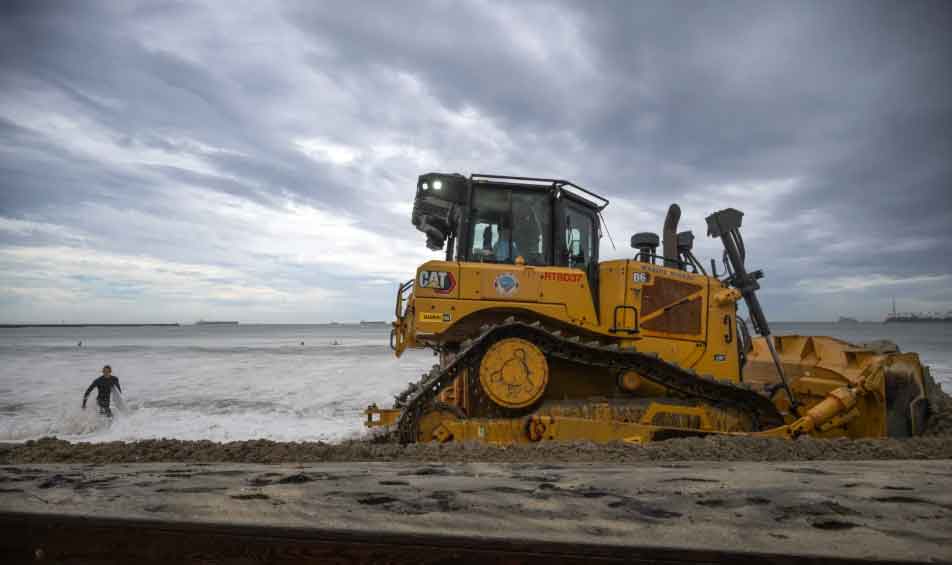
Recent heavy surf has already demonstrated the potential danger. Waves pushed sand and debris onto streets in Long Beach and temporarily forced residents from more than 20 homes.
Los Angeles County Beaches and Harbors officials typically construct approximately 15-foot-high sand berms along vulnerable beaches during the winter to help prevent waves from reaching parking lots and nearby infrastructure.
Coastal communities could face a combination of high surf, erosion, flooding and storm damage if strong Pacific storms repeatedly reach Southern California.
Wildfire burn areas face greater danger
One of the biggest concerns in Los Angeles County is the possibility of debris flows in recently burned areas.
Wildfires remove vegetation that normally helps stabilize hillsides and absorb rainfall. During intense storms, water can move rapidly across burned ground and carry mud, rocks, trees and other debris downhill.
Residents near burn areas may receive evacuation warnings or evacuation orders before particularly strong storms.
People living below recently burned hillsides should pay close attention to emergency alerts, even if rain does not appear severe where they are located.
Lessons from the 1998 El Niño
California experienced one of its most damaging El Niño events during the winter of 1997-98.
Seventeen storm-related deaths were reported statewide during February 1998 as rain, flooding, mudslides and falling trees caused widespread damage.
Numerous California locations also set precipitation records.
State and local officials hope earlier preparation can reduce the impact if similarly powerful storms develop this winter.
What Los Angeles residents should do now
Los Angeles residents do not need to panic, but officials are encouraging people to prepare before the first major storms arrive.
Residents should consider:
- Signing up for emergency alerts
- Clearing gutters and drainage areas
- Checking roofs and outdoor drainage systems
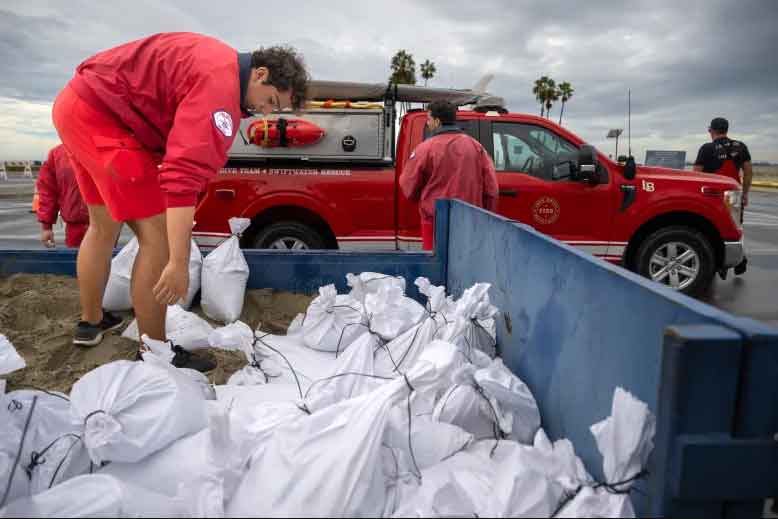
- Preparing sandbags if their property is vulnerable to flooding
- Keeping basic emergency supplies available
- Reviewing evacuation routes
- Avoiding riverbeds and flood-control channels during storms
- Never attempting to drive through flooded streets
People living near wildfire burn areas, hillsides, rivers, washes or historically flood-prone streets should be especially alert.
The state is also expanding multilingual outreach about severe weather, flooding, power outages, evacuations and emergency notifications.
Forecasters say the coming fall and winter could bring repeated periods of heavy rain, strong winds, debris flows, landslides, high surf and coastal flooding.
For Los Angeles residents, the message is straightforward: prepare before the storms arrive.